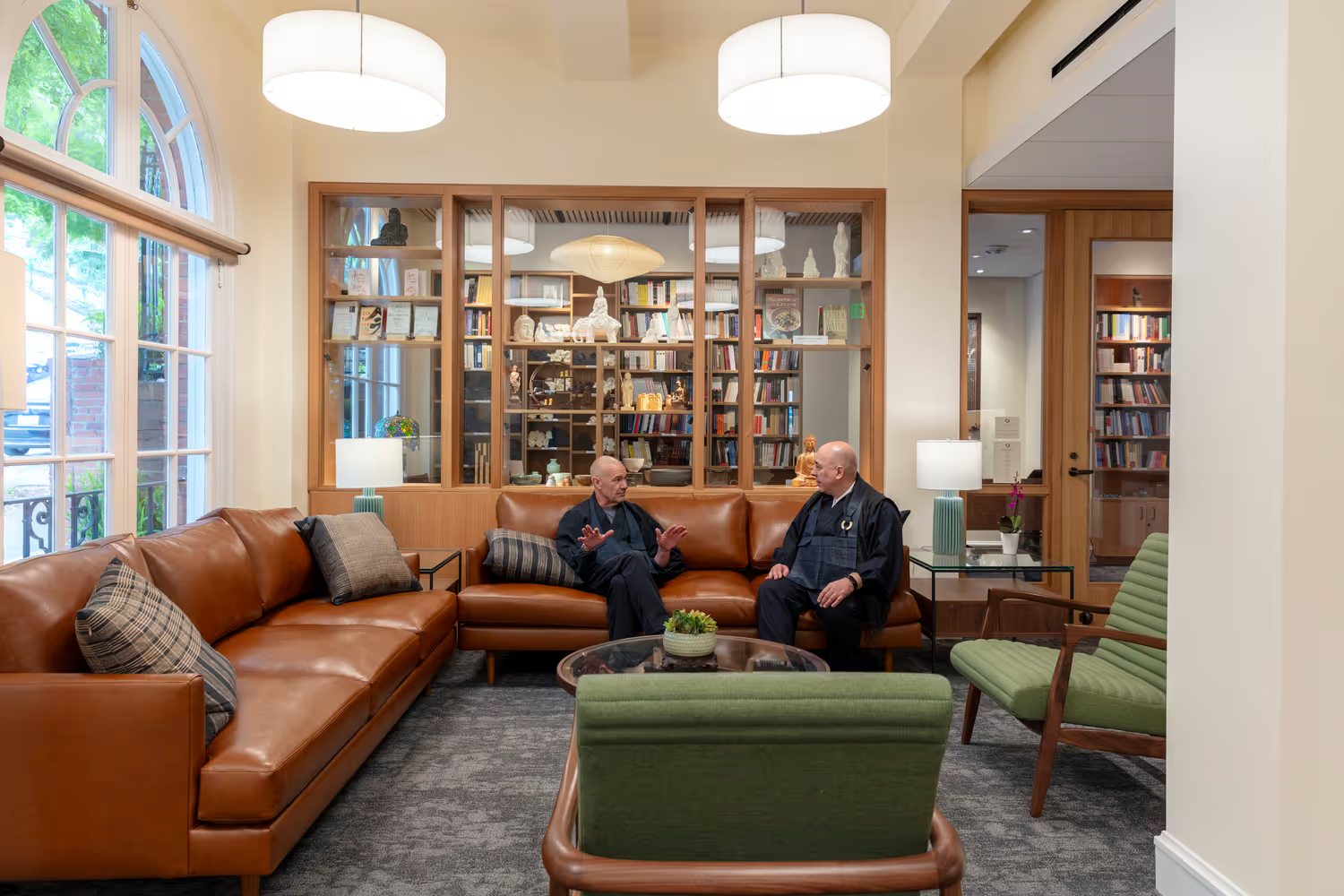
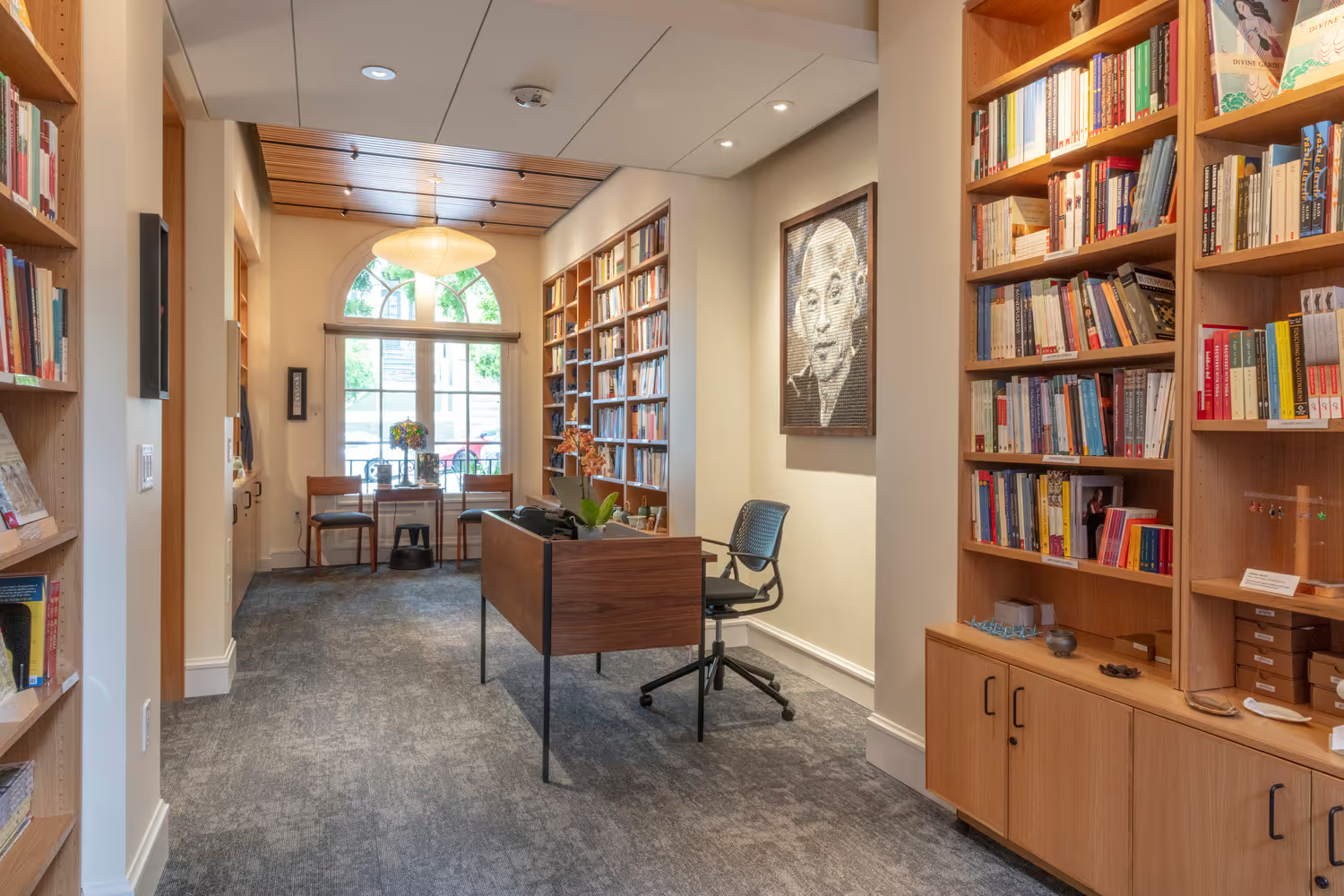
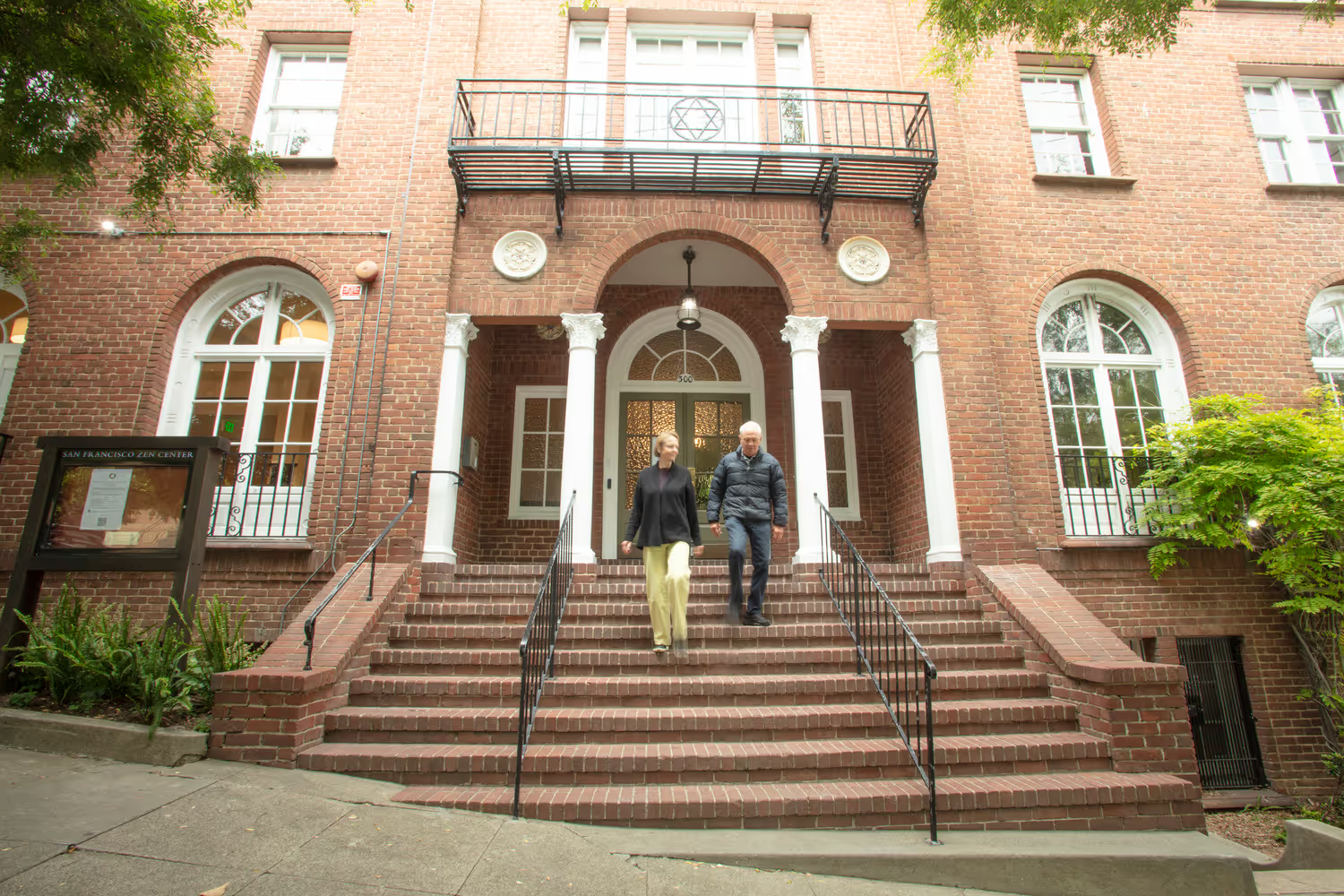
Originally designed in 1922 by Julia Morgan and Dorothy Wormser, this four-story building has served for over a century as a place of refuge, learning, and community, first for Jewish women arriving from Europe, and since 1969 as a residence and spiritual center supporting the San Francisco Zen Center’s Buddhist practice.
This comprehensive renovation modernized aging infrastructure, improved accessibility, and enhanced public-facing spaces, ensuring the building could continue supporting its residential, spiritual, and community functions for years to come. Throughout construction, maintaining daily religious programming and continuous occupancy remained a core project priority.
Approach
Renovating an occupied, 100-year-old historic structure required careful coordination, technical precision, and a deep respect for the building’s architectural character. The team balanced extensive structural and systems upgrades with preservation of the historic fabric, while sequencing work to minimize disruption to residents, staff, and visitors.
Demolition revealed significant unforeseen conditions, including structural deterioration in primary concrete columns and beams and an original system combining perimeter concrete framing with wood-bearing walls at upper floors. The team implemented immediate shoring and worked collaboratively to redesign portions of the structural system in real time, all while maintaining safe and continuous building operations.
Lean construction principles guided execution in the field. Through weekly work planning, daily standups, and a commitment to Genchi Genbutsu, the team aligned across trades, addressed challenges proactively, and adapted quickly to evolving conditions and added scope.
Key Enhancements
The renovation introduced major infrastructure upgrades while improving functionality, accessibility, and the overall user experience:
Additional scope added during construction, including kitchen upgrades, expanded systems work, and public space enhancements, was successfully integrated without impacting the overall project timeline.
Execution in an Occupied Facility
Maintaining full occupancy throughout construction required detailed phasing, careful isolation of work zones, and constant coordination. Temporary pathways, safety measures, and communication protocols ensured uninterrupted access to daily programming and safe movement throughout the building.
The team leveraged Herrero’s Production Platform to support real-time field coordination, safety planning, and documentation. Daily huddles with trade partners created alignment on active work, upcoming activities, and evolving site conditions, enabling teams to proactively manage risks across multiple floors and overlapping scopes.
Outcomes
The project was delivered on schedule and under budget, despite significant unforeseen conditions and added scope. The completed facility successfully balances historic preservation with modern performance, enhancing both usability and long-term durability.
The new Welcome Center strengthens community engagement, while upgraded systems and accessible design improvements support the Zen Center’s operational needs and mission. Refined interior spaces and improved accommodations create a more comfortable and functional environment for residents, visitors, and staff.
Through early alignment using Herrero’s Value Integration Process (VIP™), the team established a foundation of trust, communication, and collaboration, enabling effective decision-making and problem-solving throughout the project.
Impact
This renovation demonstrates how thoughtful planning, Lean execution, and strong team alignment can transform complex historic structures while maintaining continuous use. By integrating modern systems, improving accessibility, and preserving cultural and architectural significance, the project ensures the building will continue serving as a place of refuge, learning, and community for generations to come.
Photography: Janet Delaney