Multi-Campus Healthcare Program
Graduate Medical Education Facilities
Resident Support Spaces
Design-Build Delivery
Adaptive Reuse
Renovation
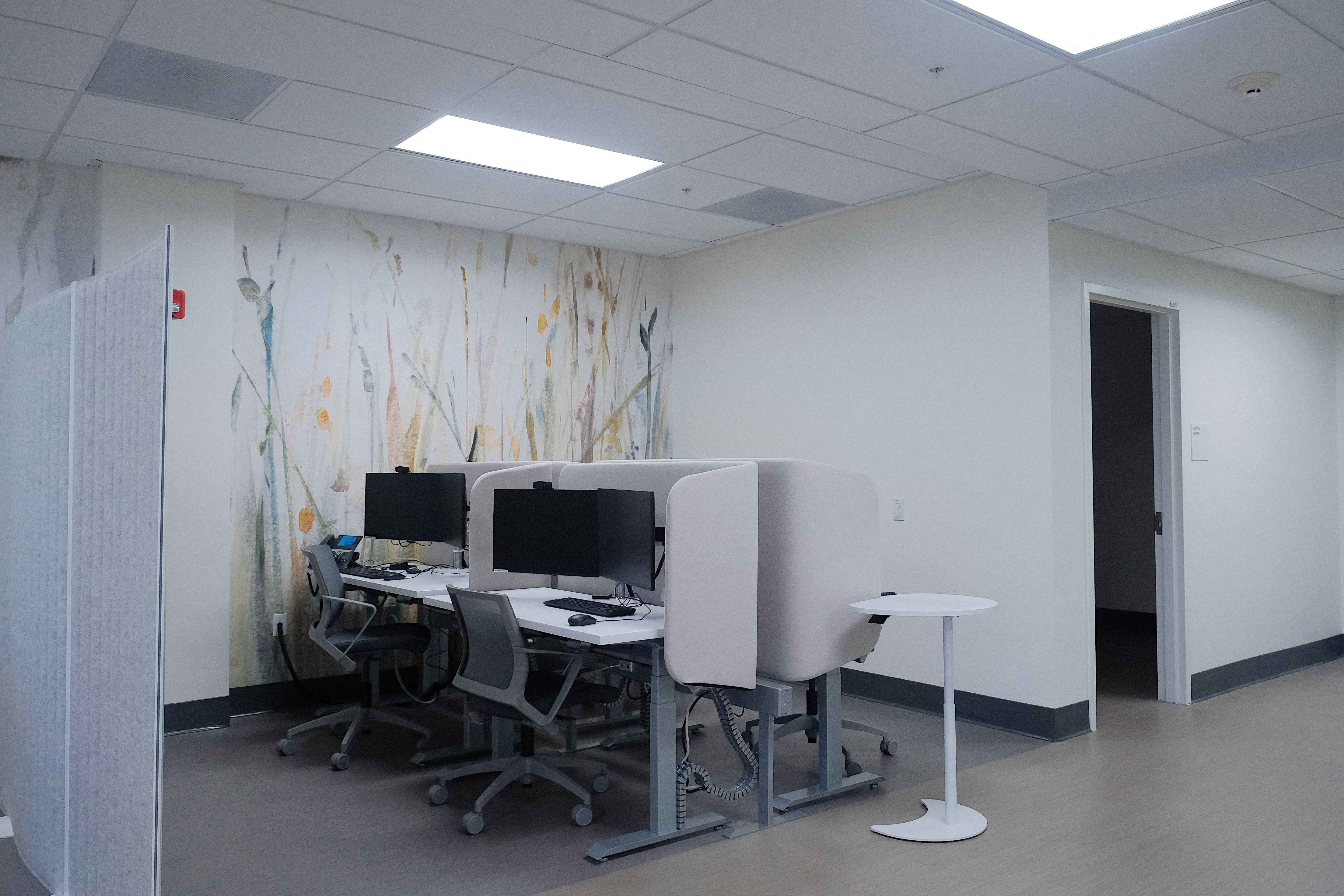
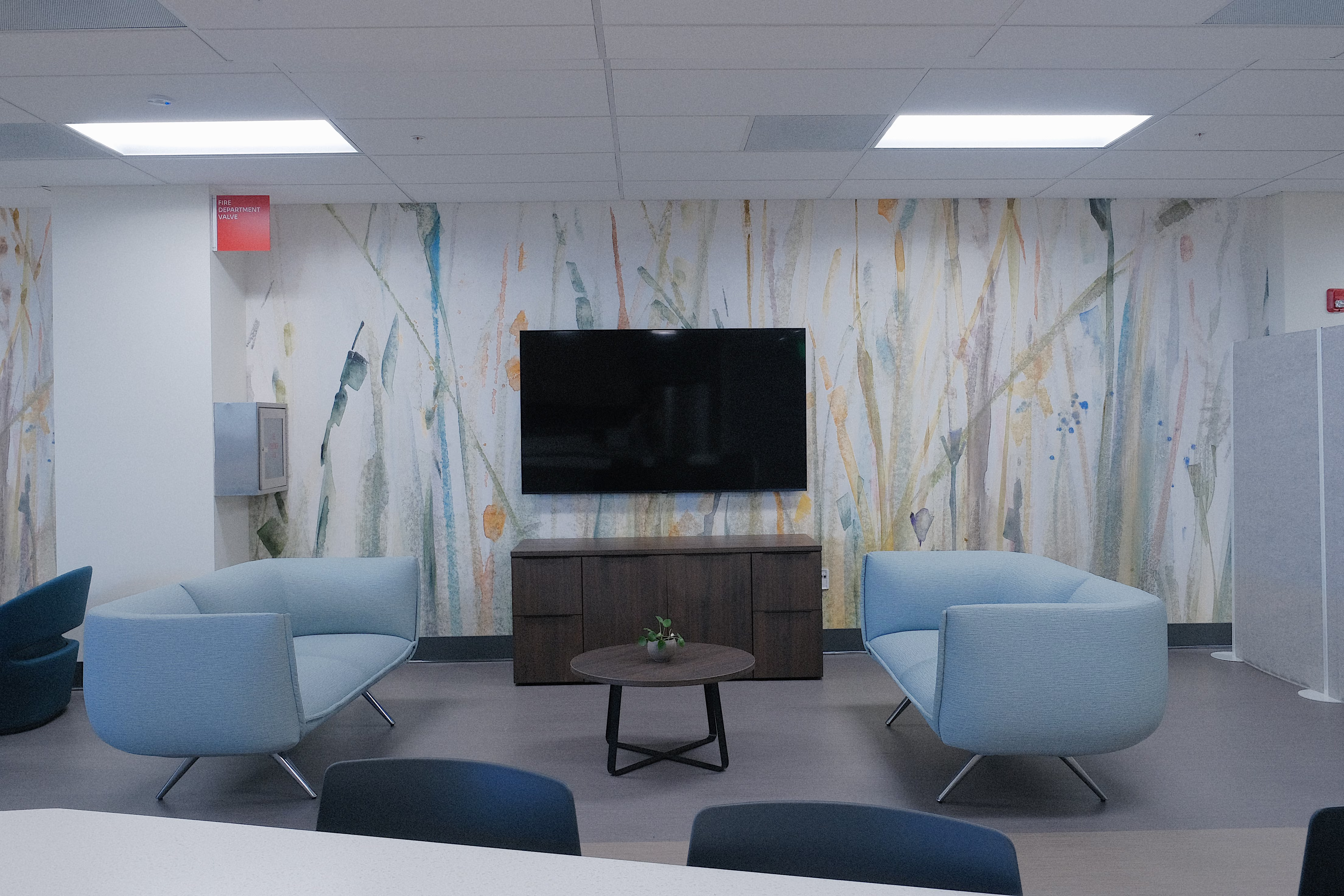
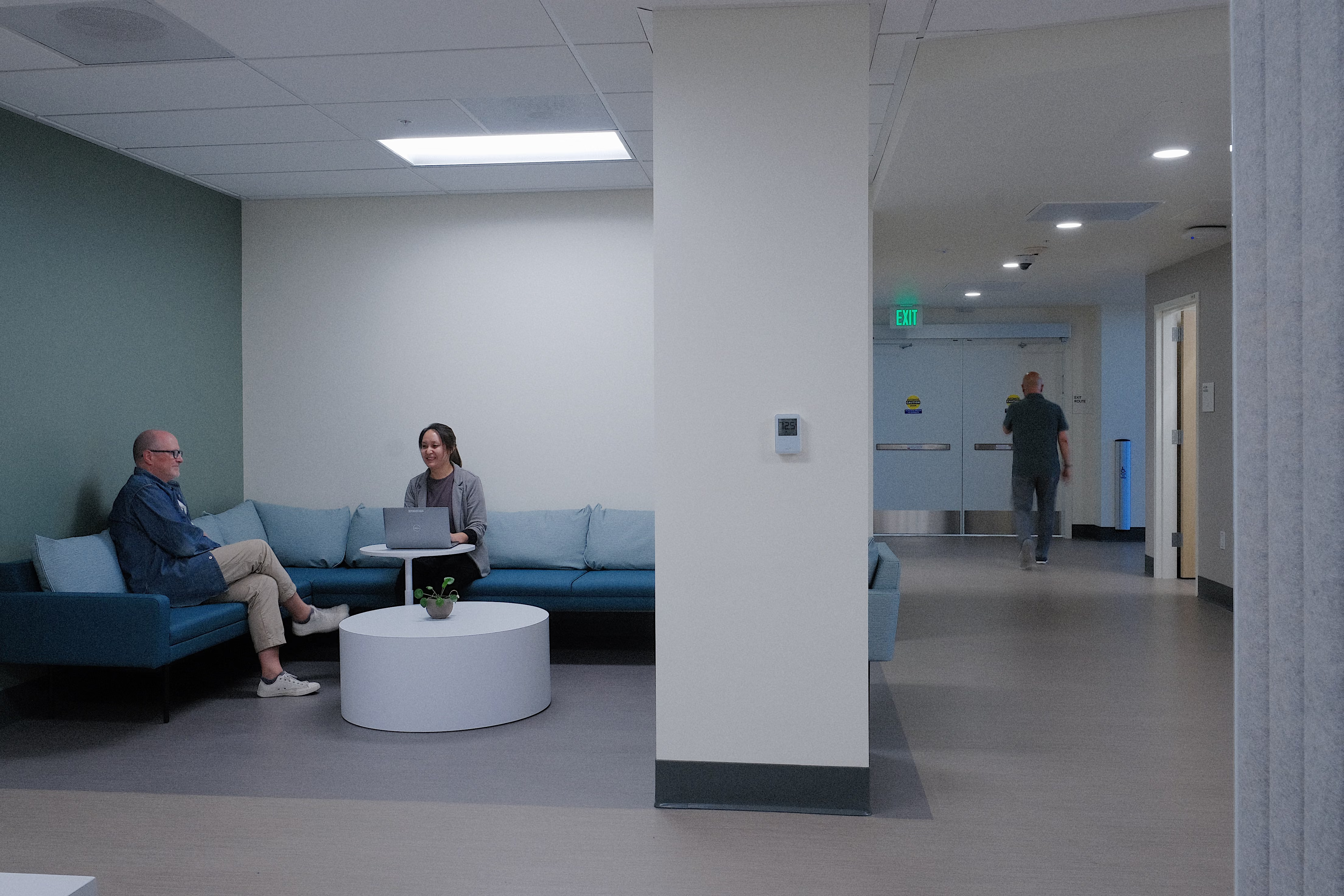
Sutter Health’s first GME program at ABSMC establishes a new foundation for training the next generation of physicians across two campuses in Oakland and Berkeley. Supporting residency programs in internal medicine, transitional year, and obstetrics and gynecology, the project delivers a network of clinical, academic, and residential spaces designed to foster both learning and collaboration within an active healthcare environment.
“A Beacon of progress, innovation and patient-centered care.” - Sutter Health
Delivered by HOK and Herrero Builders in a design-build partnership, and in collaboration with Degenkolb Engineers, Oldham Engineering, Cammisa + Wipf, Southland Industries, and Del Monte Electric, the GME program consisted of six concurrent projects distributed across four buildings and two campuses. These improvements included an internal medicine clinic refresh, academic offices and collaborative classrooms, resident call rooms and lounge spaces, and OB/Gyn support areas. Each scope required careful coordination across multiple permitting authorities, including the City of Oakland and the Department of Health Care Access and Information (HCAI), depending on the building, location, and clinical function.
Approach
From the outset, schedule certainty was critical, as all spaces needed to be operational to support incoming residents. During validation, the design-build team aligned closely with Sutter to evaluate existing conditions, define program requirements, and determine the optimal location for each component. Early decision-making and detailed planning allowed the team to sequence work strategically, accounting for varying permitting durations and approvals across jurisdictions.
Lean planning practices played a central role in managing the project’s complexity. The team utilized the Last Planner System and digital tools such as vPlanner to coordinate design, permitting, and construction activities across all six projects. Through pull planning sessions and detailed milestone tracking, the team maintained alignment and visibility across multiple parallel workstreams, ensuring that each project progressed in coordination with the others.
Working in Active Healthcare Environments
All construction activities were performed within operational hospital facilities, requiring continuous coordination to maintain patient care and minimize disruptions. Daily communication between field teams and hospital facility staff ensured that all work was clearly understood and appropriately sequenced. For activities with potential operational impact, such as MEP system shutdowns, the team developed detailed procedures to identify risks and implement mitigation strategies in advance.
To support safety and reliability, infection control and interim life safety measures were consistently enforced, with daily oversight by field leadership. This disciplined approach enabled the team to execute work safely while maintaining a high level of operational continuity across all buildings.
Delivering Value Through Collaboration
Following validation, the project budget was significantly reduced, requiring the team to thoughtfully refine scope while preserving the integrity and functionality of the GME program. In close collaboration with Sutter and end users, the team reconfigured spaces, relocated select program elements, and prioritized strategic upgrades over full-scale renovations.
By repurposing existing, unoccupied spaces and aligning design decisions with both operational needs and budget constraints, the team maintained the project schedule while achieving cost efficiency. Continuous cost tracking and transparent communication throughout design ensured alignment and minimized surprises during construction.
Results
Through disciplined planning, strong collaboration, and a commitment to Lean execution, all six projects were delivered on schedule and within budget. Preconstruction efforts, including joint-site investigations, constructability review, and frequent cost updates, reduced risk and resulted in a low volume of RFIs and drawing changes. Ultimately, the project provides high-quality, functional environments that support both clinical care and medical education, creating a strong foundation for Sutter Health’s growing GME program.